
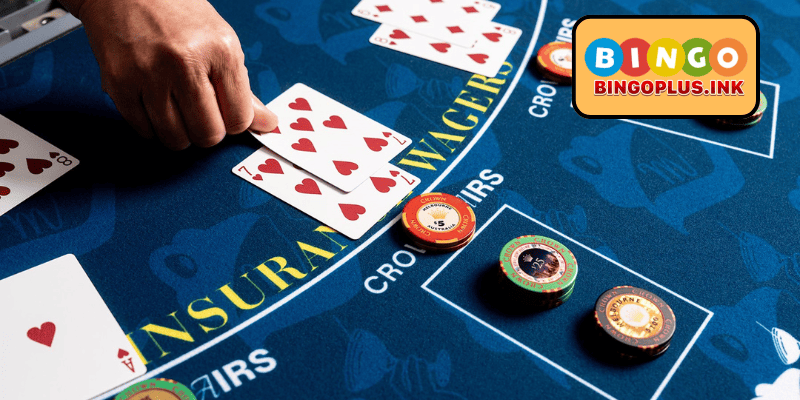
Blackjack is one of the most popular casino card games worldwide, known for its simple rules and strategic depth. Whether you’re curious about how to play blackjack for the first time or exploring blackjack online platforms, understanding the fundamentals is essential. In this guide, you’ll learn blackjack rules, basic strategy principles, common mistakes, and responsible bankroll management. Walang sikreto para manalo palagi, but with the right knowledge, you can make smarter decisions and enjoy the game as informed entertainment.
What Is Blackjack?
Blackjack is a comparing card game between players and a dealer. The goal is straightforward: beat the dealer’s hand without exceeding 21. Unlike many casino games, blackjack combines chance with player decision-making, which is why it attracts both beginners and experienced players.
According to Wikipedia’s overview of blackjack, the game originated from European card games and evolved into the modern version commonly played in casinos today.
Blackjack Rules Every Player Should Know
Card Values
- Number cards (2–10): Face value
- Face cards (J, Q, K): 10 points
- Ace: 1 or 11 points (whichever benefits the hand)
Basic Flow of the Game
- Players place their bets.
- Each player receives two cards; the dealer receives two (one face up, one face down).
- Players choose to hit, stand, double down, or split (if applicable).
- The dealer reveals their hidden card and follows fixed drawing rules.
- Hands are compared to determine winners.
Key Reminder: The dealer must follow strict rules, typically hitting on 16 and standing on 17. Players have flexibility; the dealer does not.
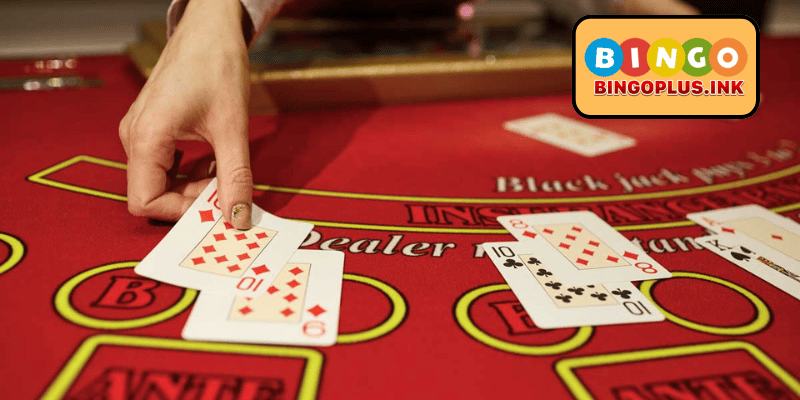
How to Play Blackjack: Practical Decision-Making
Learning how to play blackjack goes beyond memorizing rules. It involves understanding probabilities and making consistent decisions.
When to Hit
Generally, players hit when their total is 11 or lower, or when facing a strong dealer upcard (like 9, 10, or Ace).
When to Stand
Standing is common when holding 17 or higher, especially against weaker dealer cards (2–6).
Splitting and Doubling
- Always split Aces and 8s.
- Never split 10-value cards.
- Double down on 11 when appropriate.
These principles form the basis of “basic strategy,” a mathematically derived approach to minimizing house edge.
Blackjack Online vs Land-Based Blackjack
Modern players often choose blackjack online due to convenience and flexible bet limits. However, the core gameplay remains consistent across formats.
| Feature | Land Casino | Online Blackjack |
|---|---|---|
| Accessibility | Location-based | Available anywhere |
| Game Speed | Moderate pace | Faster (RNG) or live dealer |
| Bet Limits | Often higher minimums | Wide range of stakes |
| Atmosphere | Social, physical table | Private, flexible environment |
Platforms like Bingo Plus provide general insights into online gaming environments. Before playing online blackjack, verify licensing and ensure the platform operates legally in your jurisdiction.
Understanding House Edge in Blackjack
One reason blackjack stands out is its relatively low house edge—often around 0.5% when using proper basic strategy. However, rule variations affect this number.
- Dealer hits or stands on soft 17
- Number of decks used
- Blackjack payout ratio (3:2 vs 6:5)
A 6:5 payout significantly increases house advantage. Always check table rules before sitting down.
Common Mistakes in Blackjack
- Taking insurance regularly (often unfavorable long term)
- Ignoring table rule variations
- Chasing losses with larger bets
- Playing without understanding bankroll limits
Responsible play means accepting variance. Short-term results do not reflect long-term probability.
Bankroll Management and Responsible Play
Effective bankroll control is essential. Decide your session budget in advance and stick to it. Huwag lumampas sa kaya mong mawala.
Simple Bankroll Tips
- Limit each session to a small percentage of your total bankroll.
- Avoid emotional betting after losses.
- Take regular breaks to maintain focus.
- View blackjack as entertainment, not income.
Gambling laws vary by region. Ensure blackjack online play is legal where you live. You can consult regulatory resources such as the UK Gambling Commission for guidance on licensed operators and responsible gambling standards.
Frequently Asked Questions About Blackjack
1. Is blackjack a game of skill or luck?
It combines both. Card distribution is random, but player decisions influence outcomes.
2. What is the best basic blackjack strategy?
Follow mathematically proven decision charts based on your hand total and dealer upcard.
3. Is blackjack online fair?
Licensed platforms use certified Random Number Generators or live dealers monitored for fairness.
4. Should I always take insurance?
Statistically, insurance is usually not favorable in the long run.
5. What does “soft 17” mean?
A hand totaling 17 that includes an Ace counted as 11.
6. Can card counting work in blackjack?
In theory, yes in physical casinos, but it is difficult and often restricted. It is ineffective in most online blackjack games using continuous shuffling.
7. Is blackjack better than baccarat?
Blackjack involves more player decision-making, while baccarat relies more on fixed rules and chance.
8. How much money should I bring to a blackjack session?
Only bring disposable income and predefine your limits before starting.
Conclusion
Blackjack remains one of the most engaging and strategically rich casino games. By understanding blackjack rules, applying basic strategy, and managing your bankroll carefully, you can reduce risk and enhance your experience. Whether playing in a traditional casino or exploring blackjack online, informed decisions matter. Stay disciplined, respect your limits, and approach the game as entertainment rather than expectation of profit.